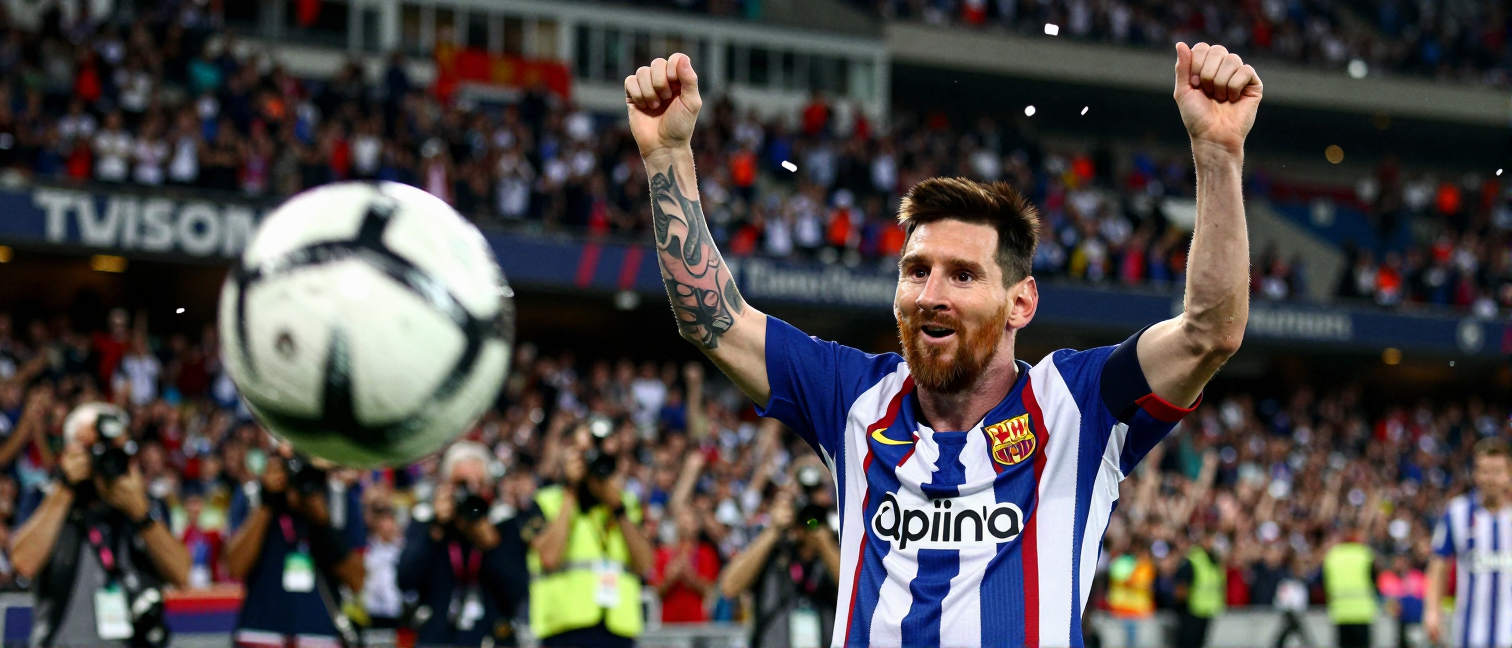
Lionel Messi sparked Argentina’s dramatic 3-1 extra‑time victory over Switzerland on 12 July 2026, guiding the defending champions past a tense quarter‑final with a decisive assist and relentless leadership.
How did the match unfold?
Argentina fell behind early in the second half, conceding a goal to Dan Ndoye in the 72nd minute. The Swiss side then saw forward Breel Embolo sent off after a VAR‑reviewed second yellow for a dive, leaving them with ten men. Despite the numerical advantage, Argentina struggled to find a breakthrough until the 112th minute, when Julián Alvarez unleashed a curling strike that beat goalkeeper Gregor Kobel. Lautaro Martínez tapped in the rebound five minutes later, sealing a 3-1 win.
What was Messi’s impact?
Messi’s nine‑match World Cup scoring streak ended, but his influence remained palpable. He delivered a pinpoint corner that set up Alexis Mac Allister’s opening goal, and his calm presence steadied a wavering side throughout 120 minutes. In an Instagram post an hour after the final whistle, Messi wrote, “Once again, we had to suffer, but this team never stops believing.” His composure acted as a release valve during the match’s most frantic phases.
Why does this matter for Argentina’s campaign?
The result marked Argentina’s third consecutive knockout‑round triumph, keeping their title defence alive. Coach Lionel Scaloni admitted the team “suffered” and relied on luck, yet Messi’s performance reminded everyone why the squad still fears no opponent. The win also pushes Argentina into a semi‑final clash, where the physical and mental demands will intensify. Messi’s ability to create chances without dominating possession underscores his evolving role as a facilitator rather than a pure scorer.
What’s next for Messi and Argentina?
With the semi‑final looming, Argentina must tighten defensive lapses that allowed Switzerland to equalise before extra time. Messi, now 39, will likely continue to conserve energy while exploiting set‑piece opportunities. His experience could prove decisive against a side that will aim to neutralise his vision. For Messi, extending his World Cup legacy beyond scoring records into clutch assists adds another layer to his storied career.
How did the opposition react?
Switzerland’s players voiced frustration over the officiating, particularly the Embolo dismissal, which midfielder Remo Freuler called “a disaster.” Their early resilience showed they could challenge the champions, but the red card shifted momentum. The Swiss side will regroup, but the loss highlights the fine line between aggressive play and costly disciplinary errors.
What does this say about Messi’s longevity?
At 39, Messi’s influence is less about sprinting past defenders and more about reading the game. His stillness, precise passing and timing create space for teammates. The match demonstrated that even without a goal, his presence can tilt a tight contest. As the tournament progresses, his ability to adapt may become the defining factor for Argentina’s title hopes.